THINKING SUSTAINABILITY RESIDENCY
With a view to broadening the Thinking Sustainability programme to include sensory and poetic dimensions, the Louis Roederer Foundation launched the ‘Habiter le monde’ writing residency in 2026, inviting an author to write a text on their intimate connection with the world. This six-week residency is organised in collaboration with the Camargo Foundation.
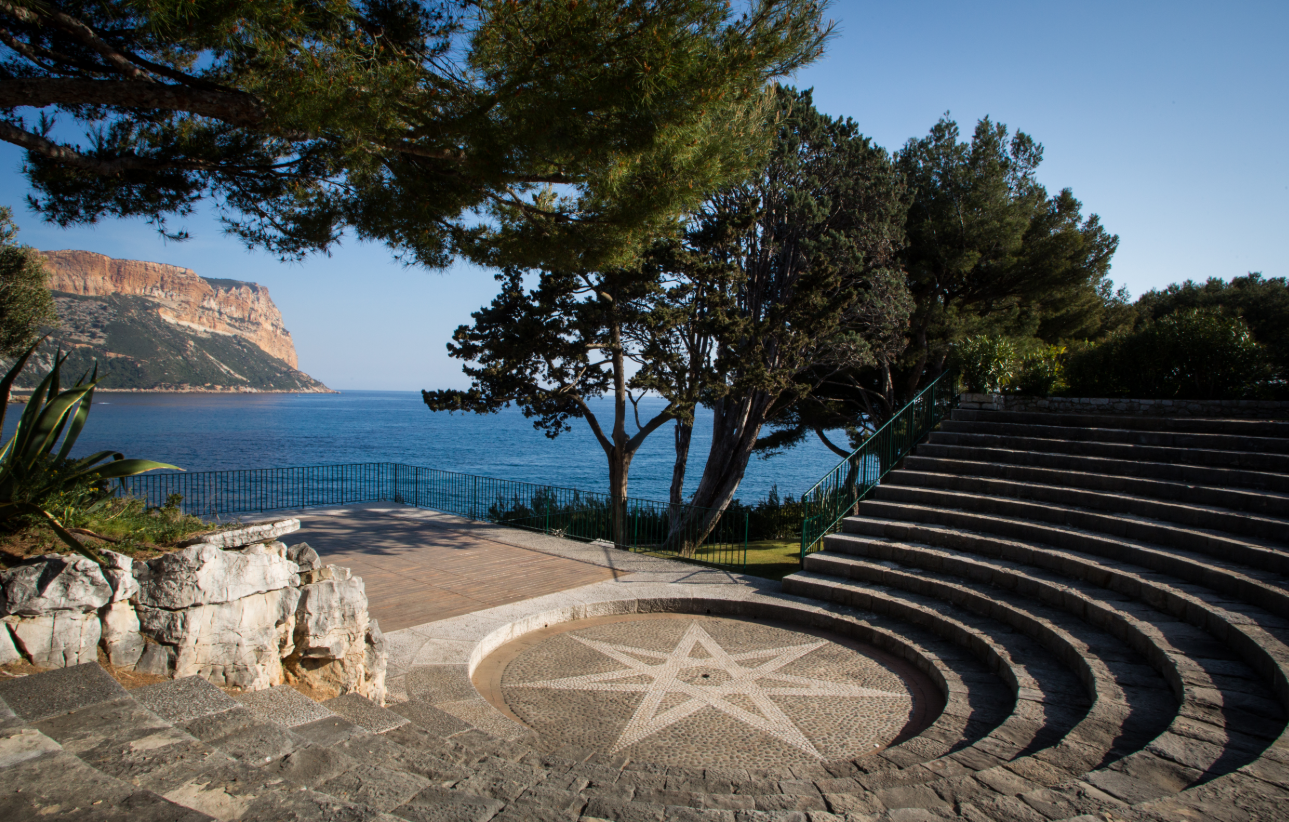
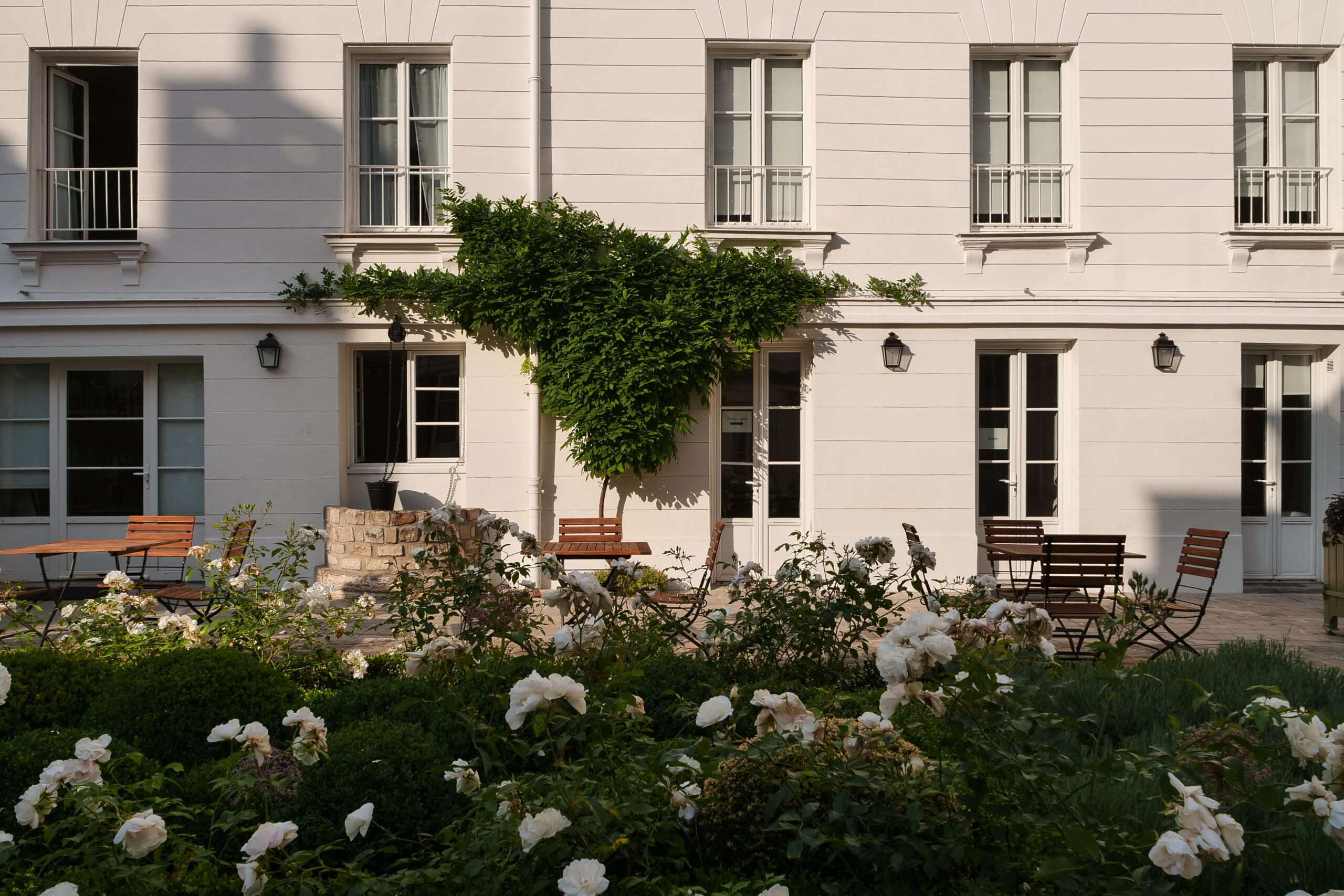
The Camargo Foundation
Founded in 1967 in Cassis by the American artist Jerome Hill (1905–1972), the Camargo Foundation offers artists and researchers a setting conducive to reflection, creativity, research, experimentation and collaboration in the fields of the arts and the humanities.

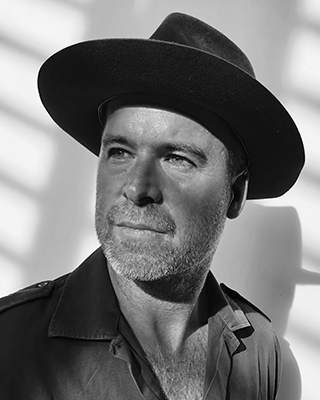
Amitav Ghosh
For the first edition, the English-speaking writer of Indian origin, Amitav Ghosh, did the Foundation the honour of accepting its invitation.
Amitav Ghosh grew up in India, Bangladesh and Sri Lanka, and holds a PhD in social anthropology from the University of Oxford. He is the author of four non-fiction books, two collections of essays and nine novels. His books have won numerous awards and he holds six honorary doctorates. His work has been translated into more than thirty languages and he has served on the jury at the Locarno and Venice film festivals. In 2018, he became the first English-language writer to receive India’s highest literary honour, the Jnanpith Prize. He has also been awarded the Erasmus Prize and the Pak Kyongni Prize. He is married to the writer Deborah Baker and lives in Brooklyn, New York. His latest book is Ghost-Eye: A Novel.
About his project
Intimations of Apocalypse: Catastrophist and Gradualist Imaginings of the Planetary Future
The world is currently gripped by a number of escalating crises: climate change, biodiversity loss, geopolitical instability, and many others. Given the scale of the upheavals already being felt across the globe, it is hardly surprising that many people are convinced that an apocalypse is inevitable and that it requires active planning and preparation. It is now well known that some of the world’s most powerful and well-informed individuals, such as Mark Zuckerberg, Larry Page and Peter Thiel, are building extremely expensive and heavily fortified doomsday shelters. This project seeks to understand the thinking behind these trends, and what it means for the future of humanity.